Bigger, Bolder, But Make It Subtle: Decoding What You Actually Mean When You Brief a Designer
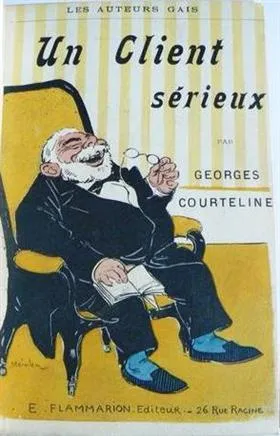
Photo: Théophile Steinlen, Public domain, via Wikimedia Commons
Somewhere in America right now, a business owner is looking at a design comp, furrowing their brow, and typing seven words that will add two weeks and one invoice to their project: "Can we make it pop a little more?"
The designer on the other end reads it and feels the same quiet dread a mechanic feels when a customer says the car is "making a noise." Technically informative. Practically useless.
Here's the thing most clients never learn: designers aren't frustrated by feedback. They're frustrated by encrypted feedback. And the encryption is costing you money in revision limbo. Let's crack the code on the greatest hits.
"Make It Pop"
What you probably mean: The design feels flat, safe, or forgettable, and you can't articulate why.
What the designer hears: Change something, anything, at random, until I feel an emotion I haven't described.
What to say instead: Identify the moment the design loses your attention. "The headline grabs me but the middle section goes dull" gives your designer a location. Even better, name a reference: "I want the energy of this Apple ad, not the energy of my competitor's brochure." Contrast, scale, and emphasis are the actual tools — pointing at where they're missing turns a vague wish into a brief.
"Modern but Timeless"
What you probably mean: You're afraid of looking dated in five years but also afraid of looking boring today.
What the designer hears: "Please resolve one of the central tensions of all design, in both directions at once."
What to say instead: Accept that every identity leans one way. Tell your designer which risk worries you more. "I'd rather be quietly classic than trend-chasing" or "I want us to feel current even if it means refreshing sooner" are both perfectly workable briefs. The contradiction isn't.
"Just a Quick Tweak"
What you probably mean: This feels like a small change to me.
What the designer hears: A structural change to a system where nothing exists in isolation. Moving a logo two inches can require reworking an entire layout grid. Moving the logo into the header, footer, and three sub-brands can require reworking everything.
What to say instead: Describe the outcome, not the effort estimate. "This element needs to be more prominent on mobile" lets your designer determine the cheapest path. You wouldn't tell your accountant a tax question is "quick" — extend the same courtesy.
"I'll Know It When I See It"
What you probably mean: You genuinely can't articulate your taste, and you're hoping the designer is psychic.
What the designer hears: Unlimited revision rounds ahead.
What to say instead: Do five minutes of homework. Collect three to five examples of designs you admire — from any industry — and one or two you dislike. You don't need the vocabulary; the examples are the vocabulary. This single habit eliminates more revision cycles than any other client behavior.
"Can We See More Options?"
What you probably mean: None of the current directions feel right, and more choices might fix it.
What the designer hears: The strategic brief wasn't finished. More concepts won't help — they'll multiply the confusion.
What to say instead: "Here's what isn't working about each direction, specifically." One well-diagnosed direction refined twice beats four shallow options every time. Depth beats breadth in design the way it does in most professional services.
Why This Matters More Than You Think
Every ambiguous revision round isn't just frustration — it's billable hours spent reverse-engineering your preferences instead of advancing your brand. Industry surveys consistently cite unclear feedback among the top causes of blown project budgets and missed deadlines.
The flip side is equally true: clients who brief in specifics get faster work, better work, and designers who want to work with them again. The best creative relationships in the business aren't built on the client with the biggest budget. They're built on the client who can say what they mean.
Learn to speak a little designer. Your timeline — and your invoice — will thank you.