Fast-Track Branding: How to Tell a Legitimate Design Sprint From an Expensive Logo Mill
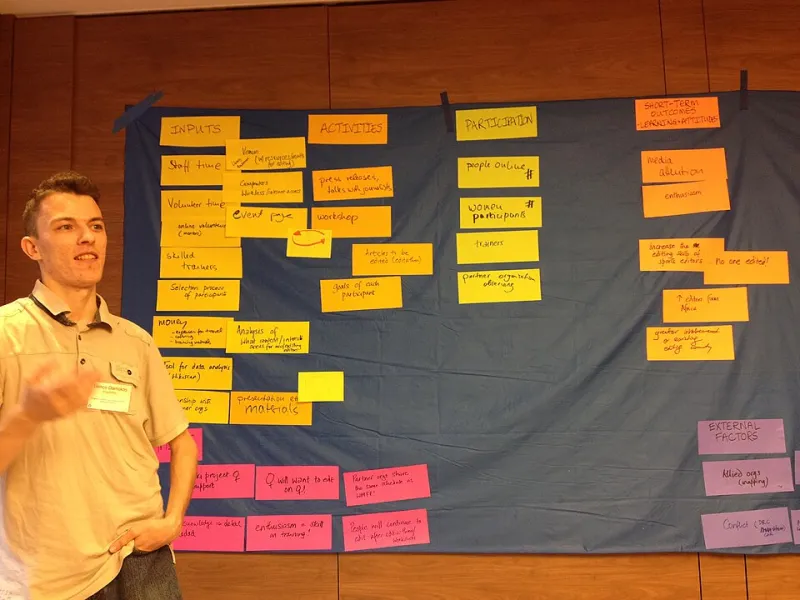
Photo: User:SarahStierch, CC BY-SA 3.0, via Wikimedia Commons
There's a particular pitch making the rounds right now, and chances are it's landed in your inbox: a complete brand transformation in one week. Strategy Monday, concepts by Wednesday, final files by Friday. The price is a fraction of a traditional engagement, the timeline is intoxicating, and for a stretched-thin small business owner, it sounds like the answer to a rebrand you've been putting off for three years.
Some of these sprints are genuinely excellent. Others are logo mills that discovered the word "sprint" improves margins. Telling them apart before you sign anything may be the most valuable hour you spend this quarter.
Why the Sprint Model Took Off
The popularity of compressed branding engagements isn't a fad — it's a market correction. Traditional rebrand processes were built for enterprises with six-month procurement cycles and stakeholder committees. A fifteen-person company in Austin or Cincinnati doesn't need that machinery, and paying for it is genuinely wasteful.
Legitimate sprint practitioners borrowed from product design methodology — time-boxed discovery, decisive workshops, rapid iteration — and applied it to businesses that were previously priced out of strategic branding altogether. That's a real win for the market.
The problem is that the packaging is easy to copy and the substance is not.
The Checklist: Speed That Serves vs. Speed That Shortchanges
Before committing to any rapid rebrand engagement, run it through these questions:
1. Is there a discovery phase with actual research, or just a questionnaire? A real sprint front-loads intensity: competitor audits, customer interviews, a genuine interrogation of your positioning. A logo mill sends you a Google Form and starts designing the next morning.
2. Who's in the room during decision-making? Strong sprints require the founder or decision-maker to be present and engaged for key sessions. If the process works entirely without you and delivers a reveal at the end, you're not collaborating — you're unwrapping a surprise.
3. How many strategic directions do you see before design begins? You should align on positioning, audience, and messaging before anyone opens a design file. If the strategy deck arrives attached to the logo concepts, strategy was a formality.
4. What exactly is delivered? "Full brand" should mean a usable identity system: logo suite, color and typography specifications, core applications, and documentation you can hand to a web developer or print vendor. If the deliverable list ends at logo files and a mood board, you've bought a mark, not a brand.
5. Is there a revision mechanism — and is it real? Every honest process includes iteration. A sprint that promises zero revisions isn't efficient; it's a slot machine.
6. What happens after day seven? Good practitioners offer implementation support or at least a handoff process. The moment of highest risk for any rebrand is the week after launch, when the new identity meets the real world.
When a Sprint Is the Wrong Tool
Even a legitimate sprint has limits. If your business is planning a significant pivot — new market, new audience, a merger — the strategic work alone deserves more than a day. If your brand carries legal complexity, trademark exposure, or a decade of accumulated equity in specific visual assets, compressing the process doesn't save money; it defers the cost.
And if your last rebrand failed, ask why before assuming a faster process will fix what a slower one couldn't. Speed doesn't resolve underlying disagreements about who you are as a business. It just hides them until the invoice clears.
The Bottom Line
A seven-day rebrand can absolutely be worth the money — when the process is dense with thinking, anchored in research, and honest about its scope. The sprint format rewards businesses that arrive prepared and decision-makers who show up.
What it can't do is substitute for strategy. If a provider's marketing emphasizes speed above everything else, remember: your brand will outlive the week it was built in. Make sure what's built in that week is worth keeping.